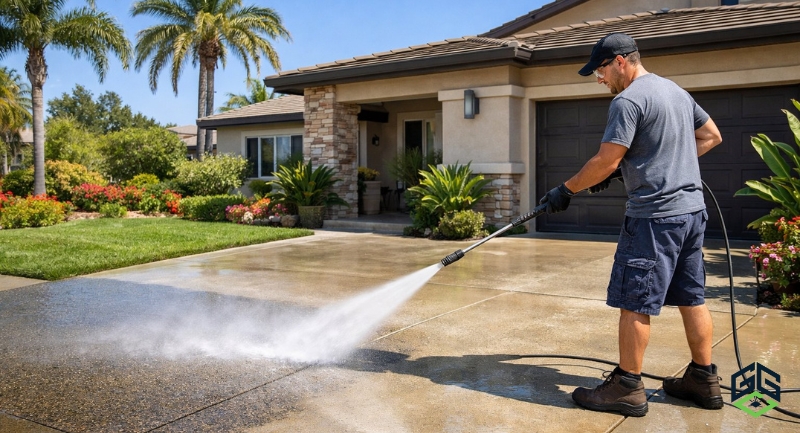
Roof cleaning is an essential part of home maintenance, and timing plays a crucial role in achieving the best results. In San Diego, summer stands out as the ideal time to clean roofs. Longer days and warmer temperatures allow cleaning processes to work more effectively, ensuring debris, moss, and algae are removed without unnecessary complications. This season’s dry conditions also reduce the risk of moisture-related issues during cleaning.
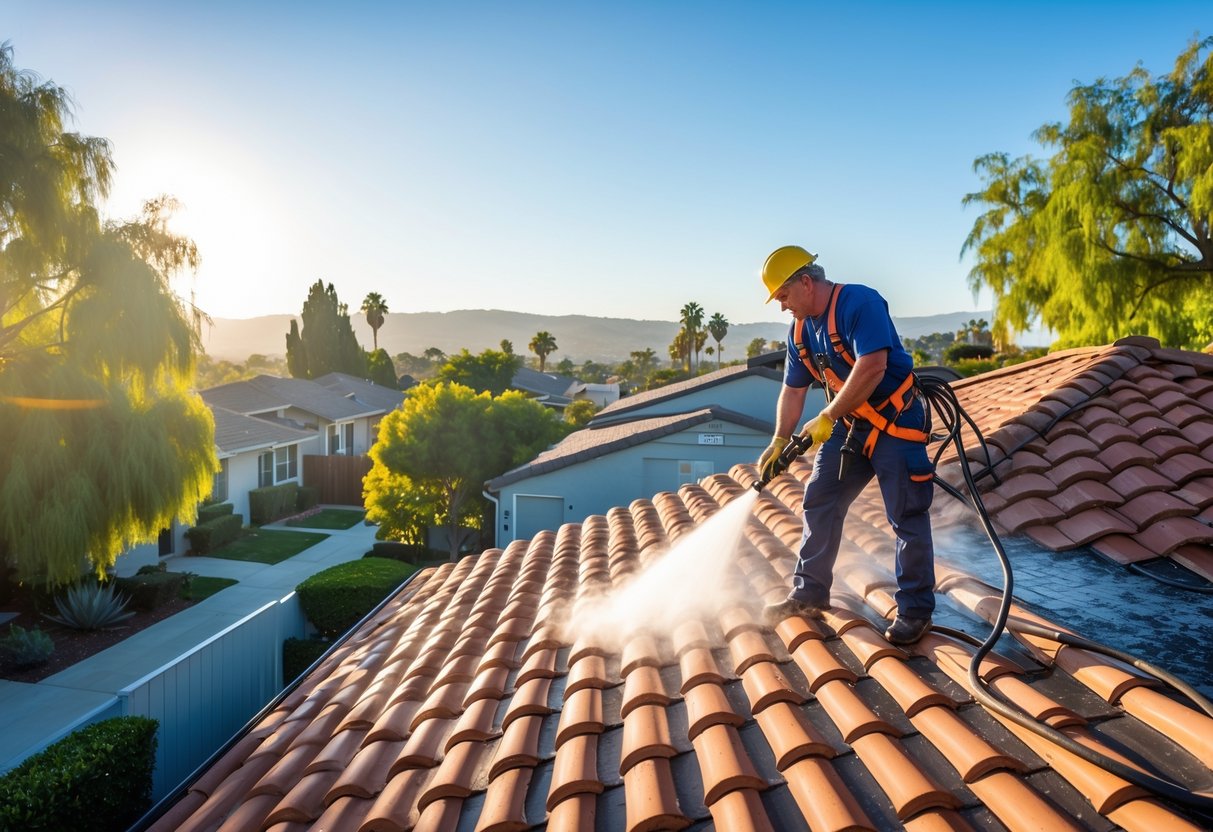
Our region’s unique climate also impacts maintenance schedules. The coastal environment brings challenges like salt air, humidity, and organic growth, all of which can affect roofing materials over time. A thorough roof cleaning during summer helps address these problems while maximizing the durability and appearance of our roofs.
Understanding San Diego’s Climate and Its Impact on Roof Cleaning
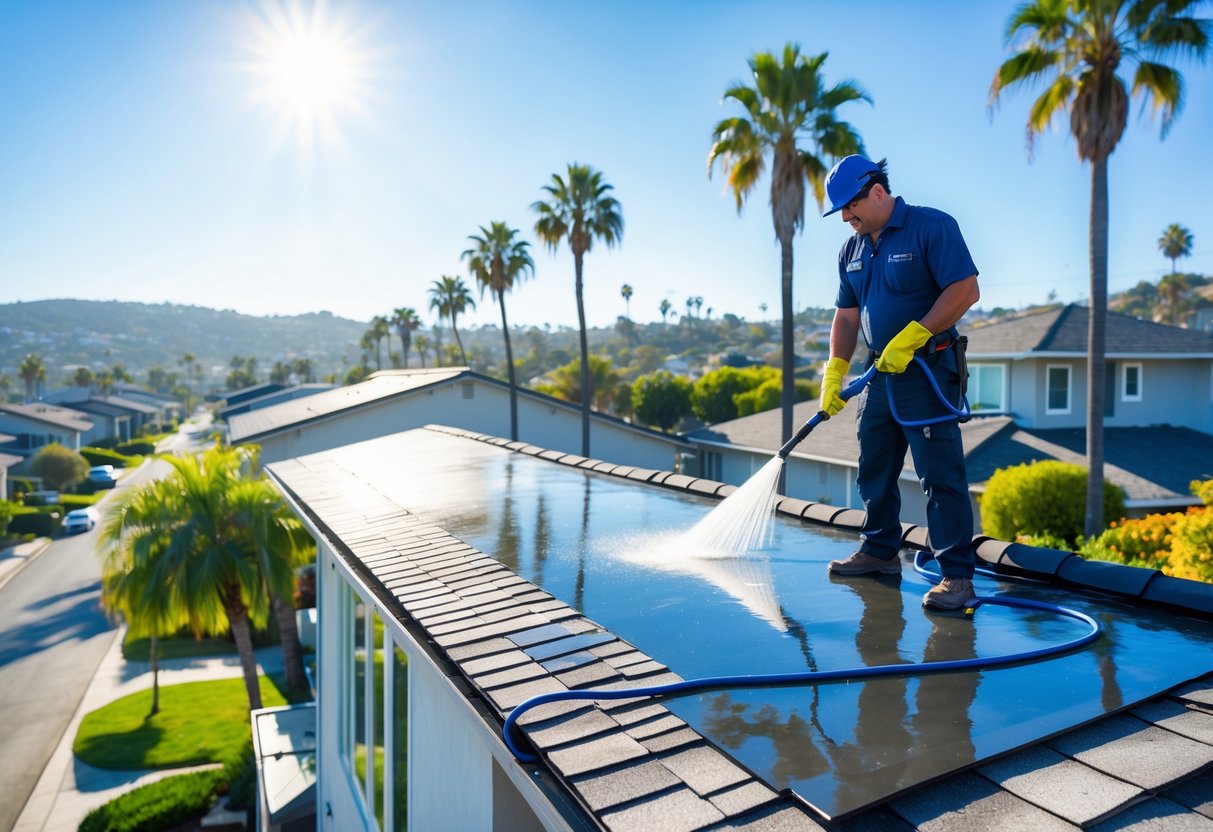
San Diego’s unique climate, marked by mild winters, abundant sunshine, and coastal humidity, can significantly influence the maintenance needs of roofs. Each weather factor, from rain to UV exposure, plays a role in how often and when we should clean our roofs to maintain their condition.
How Weather Patterns Affect Roof Maintenance
San Diego’s climate includes occasional rain and long dry periods. Rain can wash debris onto roofs, clogging gutters and trapping moisture. This creates an ideal environment for potential water damage or structural issues.
Periods of dry weather lead to the accumulation of dust, dirt, and dried plant matter on roof surfaces. Regular cleaning reduces these deposits, ensuring gutters don’t overflow during the next rain and preventing debris from degrading roofing materials over time.
We should also consider coastal humidity and salt air. These elements contribute to deterioration, especially for metal roofing. Preventative cleaning can mitigate the effects by removing corrosive salt particles.
Seasonal Influences on Algae and Moss Growth
Fall and winter, with cooler temperatures and coastal fog, tend to foster algae and moss growth on roofs. These organisms thrive in the moisture trapped by morning dew, particularly in shaded areas of roofs or under overhanging trees.
By scheduling cleaning during these seasons, we reduce the chances of long-term damage caused by algae and moss buildup. Once growth establishes itself, its removal becomes more challenging and may leave stains behind.
In spring and summer, algae and moss growth slows due to drier conditions, but frequent cleaning throughout the rainy months is key to preventing serious structural problems.
Sun Exposure and Roof Condition
San Diego’s year-round sunshine significantly impacts roofing materials. UV rays break down certain materials, especially asphalt shingles, which might crack, curl, or fade over time. Roof coatings with reflective properties can help, but cleaning is essential to preserve effectiveness.
Debris like leaves and dirt can stick to tiles and shingles, further heating the surface under the intense sun. Our roof cleaning efforts reduce heat absorption, preventing excessive wear and aging of the roof.
Best Times of Year for Roof Cleaning in San Diego
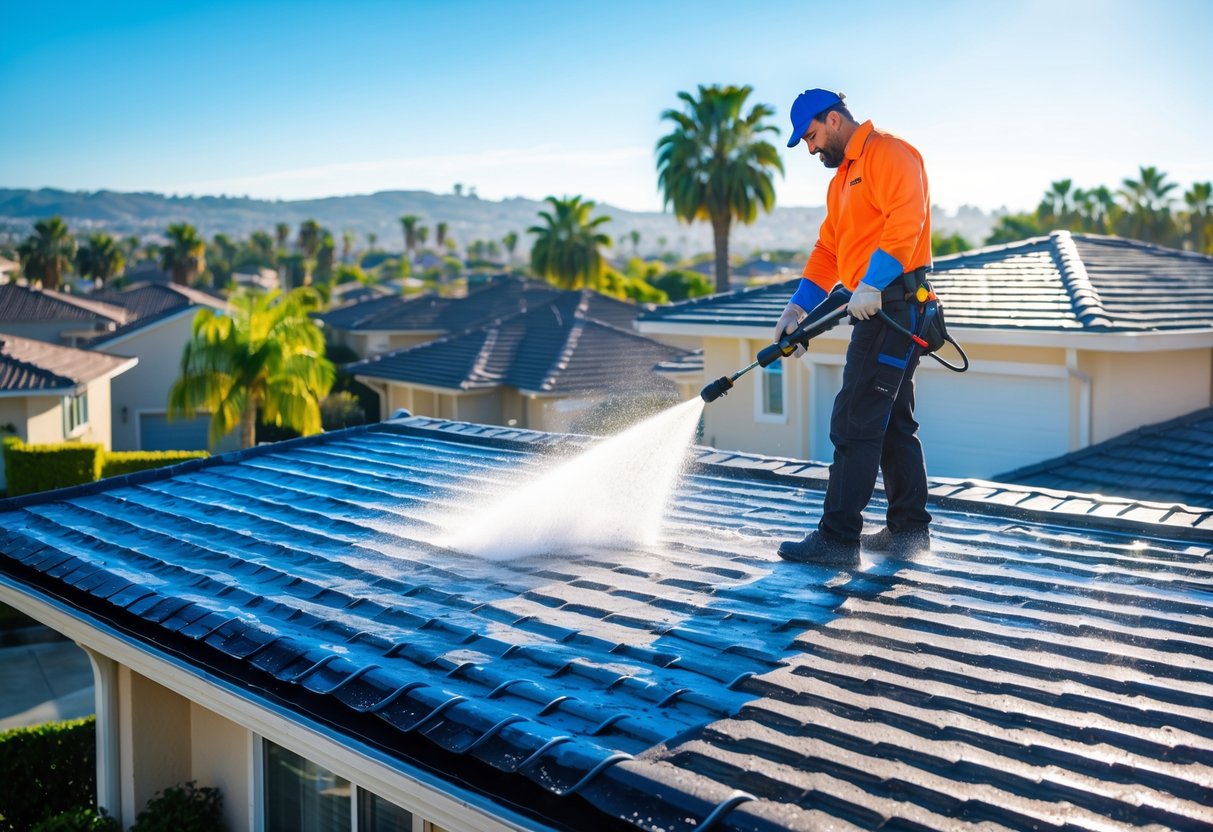
In San Diego, scheduling roof cleaning at specific times of the year can help maximize effectiveness and protect your roof from long-term damage. Factors like weather conditions and seasonal patterns play a critical role in determining the ideal cleaning windows.
Advantages of Cleaning Before the Rainy Season
Cleaning your roof before the rainy season prepares it for the increased moisture and helps prevent issues like moss, algae, and debris buildup. When roofs are not cleaned beforehand, wet leaves and other debris can block gutters, leading to drainage problems.
Additionally, removing dirt and organic growth like algae ensures that water flows freely from the roof. This helps reduce the risk of leaks, roof damage, and potential mold issues during rainy months. By taking preventive measures, we can avoid costly maintenance or repairs later in the season.
Why Late Spring and Early Summer Are Optimal
Late spring and early summer in San Diego offer ideal weather conditions for roof cleaning. The days are long and temperatures are warm, which allows cleaning solutions to work effectively without being washed away by rain.
This period is especially useful for removing algae, moss, and dirt that accumulate over winter and early spring. Roof surfaces dry quickly in warm weather, making the cleaning process more efficient and lowering the risk of slips for workers. We’ve found this time is also great for assessing roofs for wear before the heat of summer fully sets in.
Avoiding Extreme Weather Periods
Avoiding roof cleaning during extreme weather is crucial. Intense summer heat can make roof surfaces dangerously hot, while winter storms increase the risk of accidents and incomplete cleanings. Extreme weather can also interfere with cleaning equipment and solutions, reducing their effectiveness.
San Diego’s mild climate lets us schedule roof cleaning during favorable periods, but we should avoid hot midday hours in peak summer or any time heavy rains are forecasted. Sticking to moderate, stable weather ensures the safety of workers and preserves the structural integrity of the roof.
Key Benefits of Regular Roof Cleaning
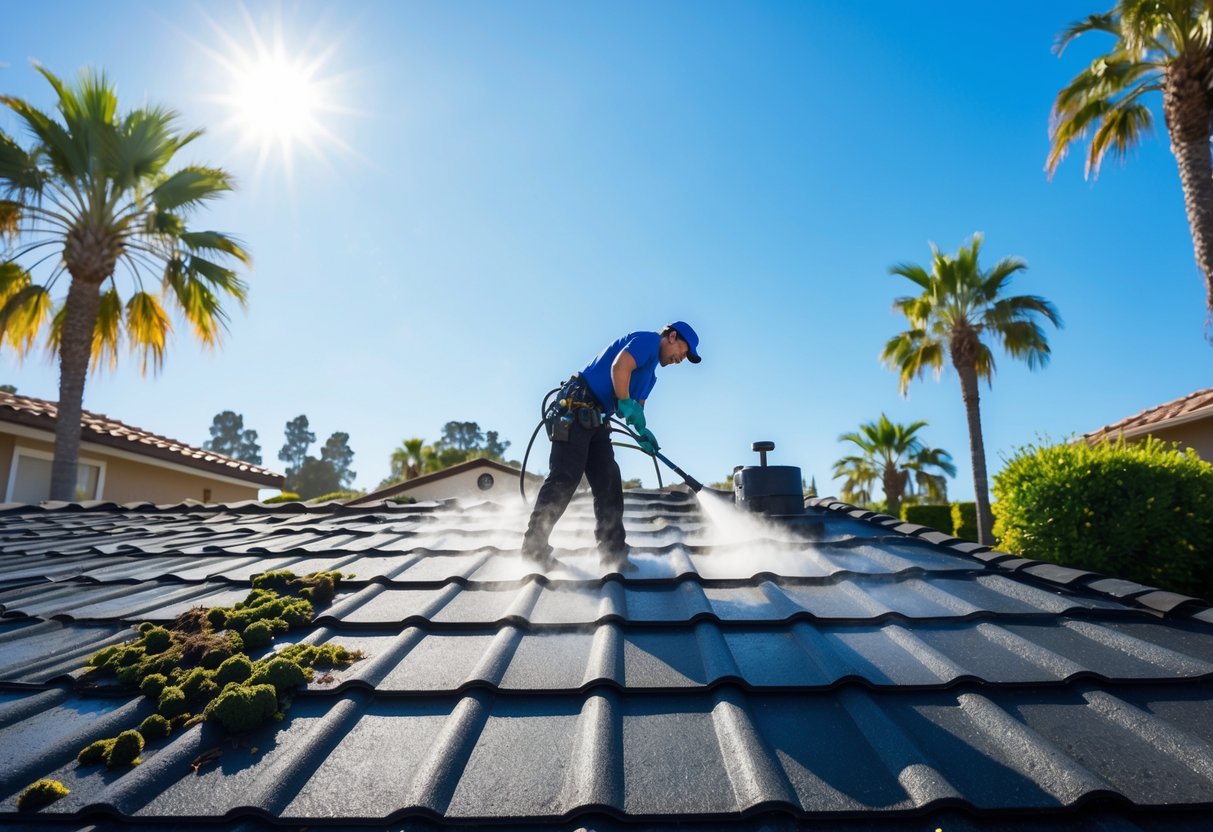
Regular roof cleaning offers significant advantages by addressing problems like algae, moss, and debris accumulation. These efforts help protect your roof, enhance your home’s efficiency, and maintain its exterior appeal.
Extending Roof Lifespan
Cleaning our roofs routinely prevents the buildup of moss, algae, and debris, all of which can trap moisture and lead to deterioration over time. Moisture retention caused by organic growth can weaken shingles and cause underlayment damage, increasing the risk of costly repairs or early roof replacement.
Effective roof maintenance minimizes the risk of leaks and water damage, which are often caused by clogged gutters and broken roof materials. By eliminating harmful elements early, we ensure our roofs last longer.
Improving Energy Efficiency
A clean roof can improve a home’s energy efficiency by reflecting more sunlight and reducing heat absorption. When algae and dirt accumulate, they darken the surface, forcing the roof to retain more heat. This can lead to increased cooling costs, especially during hot San Diego summers.
By maintaining a clean roof, we help our homes stay cooler naturally, reducing the strain on air conditioning systems and lowering energy bills.
Preserving Curb Appeal
Cleaning our roofs contributes to the overall look of our homes, ensuring they appear well-maintained and attractive. Stains from algae, dirt, or moss can leave an unkempt impression, even if the rest of the property is in good condition.
Regular upkeep removes these blemishes and keeps our homes looking their best. This is especially important if we plan to sell our property, as strong curb appeal often influences potential buyers.
Roof Cleaning Methods Suitable for San Diego Homes
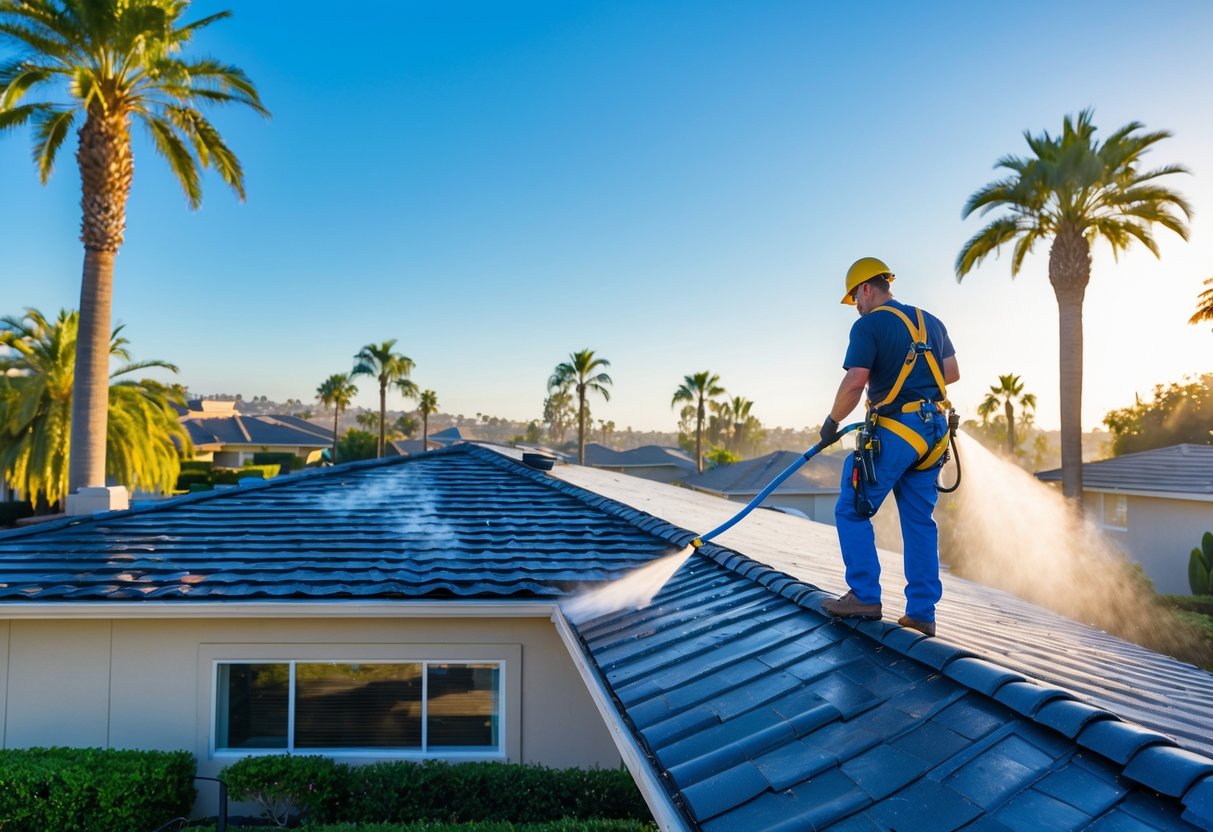
Maintaining roofs in San Diego requires specific cleaning techniques to handle its unique climate and common roof materials. We’ll explore the most suitable options, emphasizing safety, effectiveness, and compatibility with various roof types.
Soft Washing vs. Pressure Washing
When it comes to cleaning roofs, soft washing and pressure washing are two common methods. Soft washing uses low-pressure equipment combined with cleaning solutions to gently remove dirt, algae, and moss. This method is ideal for materials like tile or shingles, which can be damaged by high pressure.
In contrast, pressure washing involves using high-pressure water to clean stubborn stains and debris. While effective for certain surfaces like concrete, we should avoid this method on roofs with delicate materials as it may strip protective coatings or cause cracks.
| Cleaning Method | Best For | Cautions |
|---|---|---|
| Soft Washing | Tile, asphalt shingles | Requires eco-friendly detergents |
| Pressure Washing | Flat, durable surfaces | Avoid on delicate or older roofing |
Eco-Friendly and Safe Cleaning Solutions
In San Diego, where environmental concerns are significant, we recommend using biodegradable and eco-friendly cleaning products. These reduce pollution and are gentle on roof materials while effectively removing algae, mold, and grime.
Look for services that utilize non-toxic detergents and safe water reclamation practices to prevent runoff from reaching plants or storm drains. Using such solutions protects your roof and minimizes ecological impact.
Choosing the Right Technique for Your Roof Type
Selecting the appropriate cleaning method depends heavily on the roof material. Tile roofs, common in San Diego, benefit from soft washing to avoid cracking or dislodging tiles. Asphalt shingles also respond better to non-invasive methods to preserve their water-resistant granules.
Metal roofs, while durable, may require a combination of light pressure and specialized cleaning products to prevent corrosion. It’s essential to consult with professional roof cleaning services to ensure the chosen method matches your roof’s needs.
Professional Roof Cleaning Services in San Diego
Professional roof cleaning services are an essential investment for homeowners in San Diego, helping to maintain the longevity and appearance of roofs while protecting them from damage. Below, we offer insights into hiring experts, their processes, and comparing local providers.
When to Hire Professionals
Sometimes, DIY cleaning methods fall short in addressing persistent issues such as mold, algae, moss, or debris buildup. Signs it’s time to hire professionals include:
- Visible deterioration: Signs like discoloration, stains, or cracks suggest the need for professional evaluation.
- Blocked drainage: Clogged gutters from roof debris can lead to water damage.
- Growth of harmful organisms: Presence of moss, lichen, or algae, common in humid areas like San Diego, may require specific treatments.
Professional services can also include roof inspections to identify underlying issues, like structural damage or leaks, that may not be immediately apparent.
What to Expect from a Professional Service
When we hire roof cleaning professionals in San Diego, we can expect:
- Comprehensive Inspection: Experts assess the roof’s condition, identifying damage, debris, or risk factors.
- Tailored Cleaning Solutions: Services include pressure washing, chemical treatments, and debris removal using methods suited to the roof type.
- Safety Measures: Teams often use specialized equipment to protect themselves and the surrounding property during cleaning.
- Extend Roof Lifespan: Removing harmful contaminants improves the roof’s durability and reduces maintenance costs.
Additional Features:
- Eco-friendly methods: Many San Diego-based companies prioritize environmentally safe cleaning solutions.
- Licensed services: Opt for providers insured and licensed for added peace of mind.
Comparing Local Service Providers
Here are key factors we should consider when selecting a roof cleaning service in San Diego:
| Criteria | Examples |
|---|---|
| Experience | Companies with decades of experience often deliver reliable results. |
| Customer Reviews | Check Yelp, Thumbtack, or Google for feedback to gauge satisfaction and service quality. |
| Service Range | Some specialize in one-time cleaning; others offer maintenance plans. |
| Pricing Transparency | Look for detailed estimates with no hidden fees. |
| Equipment and Methods | Advanced techniques like low-pressure washing or biodegradable solutions are ideal. |
Popular options we may encounter include ASF Clean Team, Riptide Power Washing, and Pure Cleaning Services, all offering quality roof cleaning in San Diego.
By carefully comparing services, we can ensure that our roof receives optimal care while staying within budget.
Roof and Gutter Maintenance Throughout the Year
Maintaining our roof, gutters, and downspouts year-round is crucial for preventing water damage, ensuring proper drainage, and extending the lifespan of these systems. Regular care allows us to address small issues before they turn into costly repairs.
Gutters and Downspouts Maintenance
Our gutters and downspouts play a key role in directing water away from the roof and foundation. To keep them functioning properly:
- Clean gutters twice a year—once in the spring to clear out dirt and debris from winter, and again in the fall to remove leaves.
- Inspect for clogs regularly to avoid water overflow. This is especially important during rainy seasons in San Diego.
- Check downspouts to ensure they are securely attached and water is flowing away from the home. A splash block or a drain extension can help redirect water further from the foundation.
Keeping gutters and downspouts clear minimizes the risk of damage to both the roof and surrounding areas of the house.
Preventing Water Damage with Regular Care
Blocked gutters or misdirected downspouts can lead to water pooling on the roof, resulting in leaks or even structural damage. To prevent water from compromising the home:
- Ensure water flows freely through the system by routinely checking for obstructions.
- Monitor for signs like sagging gutters or water stains on siding, which may indicate drainage problems.
- Avoid delays in removing standing water from the roof if downspouts or gutters are backed up.
Early action can save us from repair expenses and protect our home from potential water damage.
Scheduling Periodic Inspections
Professional inspections allow us to identify issues we might overlook, especially in hard-to-reach areas. We recommend scheduling roof and gutter inspections:
- Twice a year, ideally in spring and fall, to assess for any wear or potential problems caused by changing weather conditions.
- After heavy storms, to catch damage caused by strong winds or debris.
During an inspection, roofing experts can evaluate the state of shingles, sealants, and the drainage system, providing recommendations to address concerns before they worsen.