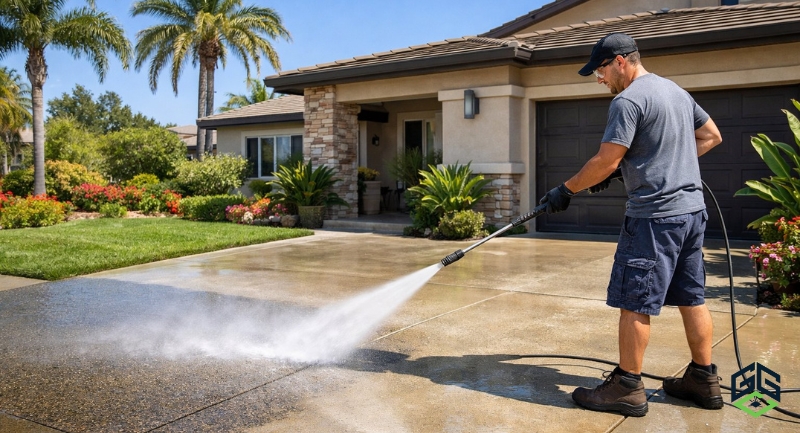
San Diego’s coastal climate creates unique challenges for stucco homes. The combination of salt air from the ocean, intense sun exposure, and temperature changes puts constant stress on exterior walls. Many homeowners notice cracking, discoloration, or surface wear developing faster than they expected.

Stucco remains one of the most durable and popular exterior finishes in San Diego, but it requires specific care routines to protect it from coastal environmental conditions. Understanding how salt and sun affect your home’s exterior helps you maintain its appearance and prevent damage before it becomes expensive to fix.
This guide covers everything you need to know about protecting and maintaining stucco in San Diego’s coastal environment. You’ll learn practical maintenance routines, cleaning methods, repair timing, and how to choose finishes that stand up to local weather conditions while keeping your home looking its best.
How Salt and Sun Impact Stucco in San Diego

San Diego’s coastal environment subjects stucco to constant exposure from salt-laden air and intense UV radiation. These two forces work together to break down stucco surfaces through chemical erosion, thermal expansion, and gradual material fatigue.
Salt Exposure and Marine Layer Effects
Salt particles from ocean air settle on coastal stucco surfaces throughout neighborhoods like La Jolla and Ocean Beach. When the marine layer moves inland during morning and evening hours, it deposits microscopic salt crystals into the porous texture of your stucco finish.
These crystals don’t simply wash away. They penetrate into small surface openings and remain after moisture evaporates. Over time, the salt causes:
- Surface roughening where smooth finishes become granular
- White crystalline deposits that appear as chalky residue
- Accelerated erosion on ocean-facing walls
- Texture degradation that worsens with each wet-dry cycle
Homes within two miles of the coastline experience the most aggressive salt exposure. The damage intensifies on west-facing walls and upper elevations where wind drives salt deeper into stucco textures. Properties on coastal ridges see faster deterioration than inland San Diego neighborhoods because wind pressure forces salt particles into every crack and surface imperfection.
Sunlight and Ultraviolet Degradation
San Diego receives over 260 sunny days each year, and that constant UV exposure breaks down the binding compounds in stucco finishes. The sun heats exterior walls to temperatures that can exceed 140°F on summer afternoons, then surfaces cool rapidly after sunset.
This daily expansion and contraction cycle creates stress within the stucco system. UV rays degrade:
- Paint and finish coatings through color fading
- Surface binders that hold aggregate materials together
- Waterproofing properties in protective sealants
- Elasticity in textured stucco applications
South and west-facing walls absorb the most intense sunlight in San Diego. You’ll notice faster fading and surface chalking on these elevations compared to shaded or north-facing sections. The combination of heat stress and UV breakdown makes your stucco more vulnerable to salt penetration and moisture intrusion.
Common Patterns of Stucco Wear
Coastal stucco in San Diego follows predictable deterioration patterns based on environmental exposure. You can identify these patterns by examining which walls show damage first and what type of wear appears.
Typical wear patterns include:
| Pattern Type | Common Location | Visual Indicators |
|---|---|---|
| Salt staining | Ocean-facing walls | White streaks, crusty deposits |
| UV fading | South/west elevations | Color loss, chalky texture |
| Hairline cracks | Parapets, trim bands | Linear fractures following stress points |
| Texture erosion | Wind-exposed areas | Rough, granular surface loss |
Homes near the coast often show darker discoloration bands where moisture repeatedly contacts stucco surfaces. These bands typically appear near roof lines, window edges, and areas where decorative trim meets wall planes. Blistering or bubbling indicates that moisture has penetrated beneath the finish layer, while flaking suggests that UV damage has compromised the surface bond.
The pattern tells you what’s causing the damage. Horizontal cracks near windows often result from thermal movement, while vertical cracks may indicate structural settling or foundation issues unrelated to weather exposure.
Fundamentals and Benefits of Stucco for San Diego Homes

Stucco has been the go-to exterior finish for San Diego homes for over a century. Its cement-based composition creates a protective shell that handles the region’s climate exceptionally well while offering design flexibility and long-term value.
What Is Stucco and Why It’s Popular
Stucco is a plaster-like coating made from cement, sand, lime, and water. It gets applied to your home’s exterior in multiple layers over a metal lath base. The material starts as a workable paste that hardens into a solid, durable surface.
San Diego builders have used stucco for generations because it fits the area’s architectural styles perfectly. You’ll see it on Spanish Colonial homes, Mediterranean villas, and modern builds throughout the county. The material can be textured or smooth and comes in virtually any color.
The region’s climate makes stucco an obvious choice. San Diego gets about 267 sunny days per year and less than 12 inches of rain annually. Stucco thrives in these dry conditions. Unlike wood siding that can rot or vinyl that might warp under intense sun, stucco maintains its integrity year after year.
Benefits of Stucco in Coastal Environments
Your coastal San Diego home faces unique challenges from salt air and ocean moisture. Stucco handles these conditions better than many alternatives.
The material doesn’t rust like metal siding or corrode from salt exposure. It resists termites and other pests that plague wood exteriors in coastal areas. Stucco’s breathable nature allows moisture vapor to escape rather than trapping it inside your walls.
Key coastal benefits include:
- Salt resistance: Won’t deteriorate from ocean air
- Pest protection: Termites can’t eat through it
- Fire safety: Non-combustible material adds wildfire protection
- Low maintenance: Needs minimal upkeep compared to wood
Coastal homes benefit from stucco’s ability to withstand salty winds without peeling or flaking. You won’t need to repaint every few years like you would with wood siding.
Stucco’s Durability and Energy Efficiency
Properly installed stucco can last 50 to 80 years on your San Diego home. That lifespan far exceeds vinyl siding (20-40 years) or wood (15-30 years).
The thick stucco layers add thermal mass to your walls. This helps keep your home cooler during hot days and retains warmth on cool nights. Your HVAC system doesn’t have to work as hard, which can lower your energy bills.
Stucco’s durability means fewer repairs over time. Small hairline cracks are normal and easy to fix. The material won’t warp, buckle, or rot. It stands up to San Diego’s occasional heat waves and rare heavy rains without damage.
The initial investment in stucco pays off through decades of protection. You get a fire-resistant barrier, better insulation, and a finish that maintains its appearance with just occasional cleaning.
Stucco Finishes and Textures: Choosing the Best for Coastal Homes

San Diego’s coastal climate demands stucco finishes that can handle salt air, intense UV exposure, and moisture. The right texture and coating system will protect your home while maintaining its appearance for years.
Popular Stucco Finishes in San Diego
San Diego homeowners typically choose from four main stucco finishes. The smooth finish creates a modern, sleek look but shows imperfections more easily. Fine or sand finishes offer a subtle texture that hides minor flaws while maintaining a clean appearance.
Medium dash finishes provide more texture and better hide wall irregularities. These work well for traditional coastal homes. Heavy dash or Spanish lace finishes deliver the most texture and maximum coverage of surface imperfections.
For coastal homes, medium textures perform best. They shed water effectively and don’t trap salt particles as much as heavy textures do. Smooth finishes require more maintenance but suit contemporary designs.
Selecting Textures for Longevity
Your texture choice affects how well your stucco handles coastal conditions. Finer textures allow water to run off more smoothly, reducing moisture buildup. Heavier textures can trap salt and debris in their crevices.
Texture Performance in Coastal Areas:
| Texture Type | Salt Resistance | Maintenance Level | Water Shedding |
|---|---|---|---|
| Smooth | Good | High | Excellent |
| Fine/Sand | Excellent | Medium | Excellent |
| Medium Dash | Good | Medium | Good |
| Heavy Dash | Fair | High | Fair |
Apply elastomeric coatings over your chosen texture for added protection. These flexible coatings seal hairline cracks and create a waterproof barrier against salt air. They expand and contract with temperature changes, preventing damage.
Acrylic vs. Traditional Stucco Options
Traditional cement-based stucco uses Portland cement, sand, and lime. It’s durable but can crack over time and absorbs more moisture. Acrylic stucco contains polymer resins that make it more flexible and water-resistant.
Acrylic finishes perform better in coastal stucco applications. They resist cracking, repel water naturally, and maintain their color longer under UV exposure. Traditional stucco costs less initially but may require more repairs.
You can also apply acrylic elastomeric coatings over traditional stucco bases. This combination gives you the structural strength of cement stucco with the protective benefits of modern polymers. The coating acts as a breathable barrier that blocks salt while releasing trapped moisture.
Stucco Maintenance: Essential Care Routines
San Diego’s coastal climate demands specific stucco care schedules that vary by location, with salt exposure and moisture being the primary threats to your home’s exterior integrity.
Maintenance Schedules for Different Neighborhoods
Coastal areas like La Jolla Shores and Coronado require more frequent attention than inland neighborhoods. You should wash your stucco every 3-4 months in these zones due to salt accumulation. Inland areas like Balboa Park and Gaslamp Quarter can follow a twice-yearly cleaning schedule.
Use a garden hose with a wide spray nozzle or a pressure washer set to 1500-2000 PSI. Keep the nozzle at least 12 inches from the surface and use a 40-degree fan tip to avoid damaging the finish coat.
Inspection Schedule by Location:
| Neighborhood Type | Cleaning Frequency | Crack Inspection |
|---|---|---|
| Coastal (La Jolla, Coronado) | Every 3-4 months | Quarterly |
| Inland (Balboa Park, Gaslamp) | Twice yearly | Semi-annually |
Check for cracks wider than 1/8 inch during each inspection. These need professional repair to prevent water infiltration. Hairline cracks under 1/16 inch are cosmetic and can be sealed with acrylic paint.
Preventing Salt and Moisture Damage
Salt air accelerates stucco degradation in La Jolla Shores and Coronado through constant exposure to sodium chloride particles. White chalky deposits called efflorescence indicate salt leaching from your stucco due to moisture problems.
Remove efflorescence with a stiff nylon brush and a vinegar-water solution before it spreads. Never paint over these deposits as they will push through new coatings. Identify the moisture source first, whether it’s sprinklers hitting walls or poor drainage.
Keep soil and mulch 4-6 inches below your stucco line to prevent capillary wicking. Adjust sprinkler heads that spray directly onto your walls. Stucco handles vertical rainwater but fails under constant horizontal pressure from irrigation systems.
Apply an elastomeric coating every 7-10 years in San Diego neighborhoods to maintain waterproofing protection.
Effective Stucco Cleaning Techniques for San Diego Homes
San Diego’s coastal environment demands specific cleaning approaches that protect your stucco while removing salt deposits and organic growth. The right methods keep your exterior looking fresh without causing surface damage or forcing water behind the finish coat.
Safe Cleaning Methods
Never use a high-pressure washer on your stucco. Pressure above 1,500 PSI can strip the finish coat and drive water through the porous cement into the wall assembly.
The proper approach for stucco cleaning:
- Use a garden hose with a regular spray nozzle
- Apply water at low to medium pressure
- Scrub gently with a soft-bristle brush (automotive brushes work well)
- Work from top to bottom in sections
For your cleaning solution, mix warm water with mild dish soap. This combination removes most dirt and grime without harming the cement. If you have stubborn stains, use a specialized masonry cleaner designed for stucco. Avoid straight bleach because it can discolor the cement pigments and create uneven patches on your walls.
Test any cleaning product on a small, hidden area first. Wait 24 hours to check for discoloration before treating larger sections.
Dealing with Salt and Algae Buildup
Coastal stucco faces unique challenges from salt air and moisture. Salt accumulates on your walls and can corrode the underlying metal lath if left unchecked.
For salt deposits, rinse your stucco with fresh water every few months. Pay extra attention to areas that face the ocean or get direct ocean spray. This simple step prevents salt from building up and penetrating deeper into the surface.
Green algae and mildew grow on north-facing walls or shaded areas that stay damp. Mix one part white vinegar with three parts water for an eco-friendly solution. Spray the affected areas and let it sit for 15 minutes before scrubbing gently. You can also use a commercial algae remover rated safe for stucco.
High-risk areas for algae growth:
- North-facing walls with limited sun exposure
- Areas near sprinklers or drip irrigation
- Sections under eaves or covered patios
- Spots surrounded by dense landscaping
Sealing and Coating for Extra Protection
Your stucco needs periodic sealing to maintain water resistance. Start by applying a quality masonry primer if your walls are unpainted. This creates a base layer that helps coatings adhere properly and provides initial moisture protection.
Elastomeric coatings offer the best protection for San Diego homes. These flexible, rubber-like paints expand and contract with temperature changes while creating a waterproof barrier. They also allow water vapor to escape from inside the wall, which prevents moisture from getting trapped.
Apply elastomeric coatings every 7 to 10 years, or when you notice fading and chalking on the surface. Choose products specifically rated for stucco with a permeability rating that allows the walls to breathe.
If you prefer the natural stucco look, use a fog coat instead. This cement-based treatment refreshes the color while keeping the texture visible. It penetrates the surface rather than sitting on top like paint, which helps maintain the material’s breathability.
Repairing and Repainting Stucco: When and How
Stucco damage ranges from small hairline cracks to large blisters and crumbling sections. Knowing when to repair damage yourself and when to call professionals can save you money and prevent bigger problems down the road.
Identifying Stucco Damage
Inspect your stucco at least twice a year for signs of damage. Look for cracks wider than 1/8 inch, which can let moisture behind the surface. Check for soft spots by pressing gently on the stucco—these areas indicate water damage underneath.
Blisters and bubbles mean moisture is trapped between layers. These need immediate attention to prevent the damage from spreading. You should also watch for staining or discoloration, which often signals water infiltration or rust from metal lath beneath the surface.
Efflorescence appears as white, powdery deposits on your stucco. This happens when water moves through the material and brings salts to the surface. While it looks bad, it’s usually just a cosmetic issue you can wash away.
Pay attention to areas around windows, doors, and roof lines. These spots are most likely to develop problems because water naturally collects there during rain.
Professional vs. DIY Stucco Repair
Small cracks under 1/4 inch wide are simple DIY fixes. You can fill them with exterior acrylic caulk or premixed stucco repair compound. Clean the crack first, apply the filler, and smooth it to match your wall texture.
Larger repairs need a three-coat process that takes about 10 days to complete properly. The first coat goes over metal lath, the second coat builds thickness, and the finish coat matches your existing texture. Each layer must cure for several days before you apply the next one.
Hire a painter in San Diego or stucco contractor when damage covers more than a few square feet. Professional stucco repair ensures proper moisture barriers and structural integrity. They have the tools to match textures exactly and know local building codes.
Extensive damage near the foundation or around windows requires professional assessment. Water damage often extends beyond what you see on the surface, and improper repairs can trap moisture inside your walls.
Repainting and Protective Coatings
Wait at least 60 days after new stucco installation before painting. Fresh stucco needs time to cure completely. If you paint too soon, moisture trapped inside will cause the paint to peel.
Apply masonry primer designed specifically for alkaline surfaces before your topcoat. This prevents the natural salts in stucco from bleeding through your paint. Use elastomeric coatings for the best protection—these thick, flexible paints bridge small cracks and block water while letting vapor escape.
Stucco maintenance includes repainting every 5 to 10 years depending on sun exposure and weather conditions. San Diego’s intense UV rays fade paint faster on south and west-facing walls.
Clean your stucco before painting by pressure washing at low pressure (1,500 PSI or less). Let the surface dry for at least 24 hours. Repair all cracks and damage first—paint won’t hide structural problems, it will only make them harder to fix later.
Exploring San Diego Neighborhoods and Iconic Coastal Areas
San Diego’s neighborhoods range from upscale coastal enclaves to vibrant urban centers, each shaped by unique weather patterns and proximity to the ocean. These distinct areas offer different experiences, from surfing culture to fine dining, and present specific considerations for home maintenance.
Distinct Microclimates and Their Effects
San Diego’s geography creates dramatically different weather conditions across short distances. Coastal neighborhoods stay 10-15 degrees cooler than inland areas during summer months. Morning fog often blankets beaches until late morning, while areas just five miles inland enjoy full sun.
These temperature swings affect your home. Coastal properties face constant salt spray and higher humidity, which accelerates rust on metal fixtures and degrades exterior paint faster. Inland areas experience hotter, drier conditions that crack stucco and stress air conditioning systems harder.
The marine layer brings moisture that can seep into walls and windows overnight. You’ll notice this most in neighborhoods west of Interstate 5. East of the freeway, you’ll deal with more dust accumulation and sun damage to outdoor furniture and roofing materials.
Highlight: La Jolla, Ocean Beach, and Coronado
La Jolla sits on coastal bluffs north of downtown and features Mediterranean-style homes with ocean views. La Jolla Cove attracts swimmers and snorkelers to its protected waters. The neighborhood’s proximity to Torrey Pines offers hiking trails with dramatic cliff views. Homes here need frequent exterior maintenance due to salt exposure and premium construction materials.
Ocean Beach presents a relaxed surf culture with older beach cottages and modest bungalows. The neighborhood’s dog-friendly beach and pier create a casual atmosphere. Properties here often have original wood siding that requires regular sealing against moisture.
Coronado connects to downtown via a distinctive bridge and maintains a resort-town feel. The Hotel Del Coronado dominates the beachfront as a Victorian landmark. The island’s military presence and family-oriented community keep neighborhoods well-maintained. Homes face similar salt air challenges as other coastal areas but benefit from strong community standards.
Notable Landmarks and Things to Do
Balboa Park spans 1,200 acres in central San Diego and houses the San Diego Zoo along with 17 museums. The park’s Spanish Colonial Revival architecture requires ongoing preservation work that mirrors challenges you’ll face with similar-era homes.
Gaslamp Quarter downtown features Victorian-era buildings converted to restaurants and entertainment venues. The 16-block district shows how proper restoration maintains historic structures in urban settings.
Key Activities by Area:
| Area | Main Attractions | Home Style |
|---|---|---|
| La Jolla | Beaches, tide pools, upscale shopping | Spanish Revival, Contemporary |
| Balboa Park | Museums, gardens, zoo | Craftsman, Spanish Colonial nearby |
| Coronado | Hotel Del Coronado, naval base, beaches | Cottage, Spanish Revival |
| Gaslamp Quarter | Nightlife, dining, historic architecture | Victorian conversions, modern condos |
These landmarks draw millions of visitors annually and define San Diego’s character. Your neighborhood choice determines which maintenance challenges you’ll face most often.